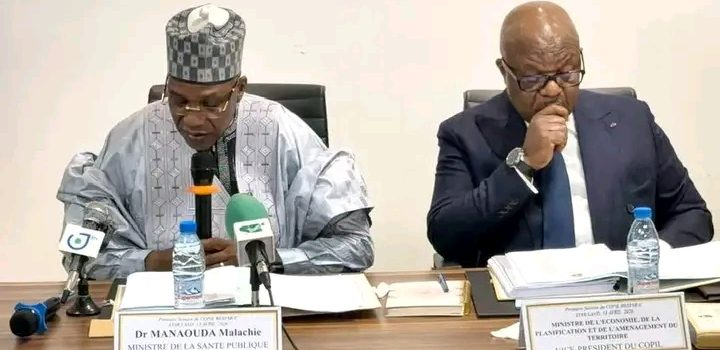
The Cameroon government is stepping up its efforts to improve the management of medical emergencies.
On April 13, 2026, the Minister of Public Health, Manaouda Malachie, chaired the first session of RESYMUC in Yaoundé. During the meeting, the leaders presented the project's progress report. They also took stock of achievements and defined the next steps. The objective is clear: to rapidly and effectively improve the care of patients in emergency situations in hospitals.
A still fragile emergency system in Cameroon
Today, medical emergency services in Cameroon remain insufficiently structured.
Traffic accidents, trauma and non-communicable diseases exacerbate the situation. Without rapid, coordinated care, many patients still die of preventable causes.
Faced with this situation, the government decided to take structured action. One strategic response is the Projet de renforcement du système de médecine d'urgence au Cameroun (RESYMUC). The project is supported by international partners, notably the World Health Organization and the Centers for Disease Control and Prevention. It is also financed through a grant agreement signed on July 11, 2024 with the Republic of Korea, via KOICA.
RESYMUC: concrete actions to improve care
RESYMUC aims to build a modern, efficient system that is accessible to all.
To achieve this objective, the authorities are implementing several priority actions. Firstly, they are developing an appropriate institutional and legal framework. Secondly, they are upgrading the skills of medical staff and first responders. They are also modernizing emergency infrastructures and equipment.
These efforts will improve patient care on a national scale. As well as investing in equipment, the project aims to establish a genuine culture of emergency medicine.
This discipline is still relatively unstructured in the country.
Progress already visible and structuring
Since its launch, RESYMUC has made real progress.
The teams have already drawn up a draft law on emergency medicine. They have also strengthened the capacities of front-line players. These actions are gradually improving the quality of interventions in the field. A decisive step was taken on January 23, 2026. The Prime Minister signed a decree governing the creation and operation of RESYMUC. This text strengthens the project's governance and improves monitoring of its implementation. In March 2026, an official mission to South Korea helped refine the strategic orientations. In particular, the authorities worked on setting up an integrated emergency chain. They also stressed the importance of data-driven management.
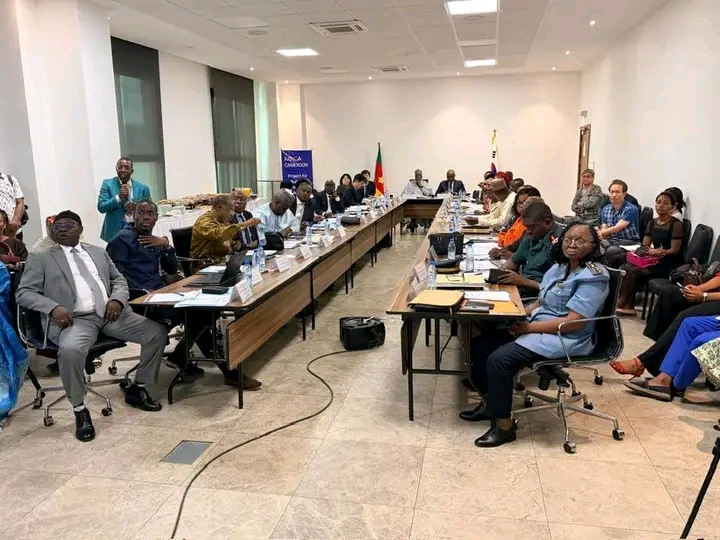
The government wants to bring emergency services closer to the people.
It also aims to reduce territorial inequalities in access to healthcare. Eventually, Cameroon will have a faster, better-coordinated rescue chain. This system will save more lives.
Anita MENOUNGA

 Français
  English