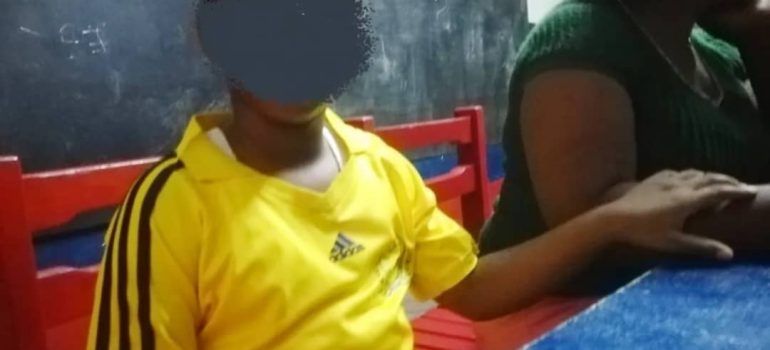
On the occasion of the 19ᵉ edition of World Autism Awareness Day, celebrated on April 2, experts are stressing the urgent need to step up information and awareness. The aim: to combat the stigma to which autistic children are still subjected.
Stigmatizing autistic children
Children with autism are often teased, excluded and looked down upon. This is mainly due to a lack of information and understanding of the disorder.
Autism, or Autism Spectrum Disorder (ASD), affects brain development. It manifests itself in communication difficulties, social interaction problems and repetitive behaviors.
Contrary to popular belief, autism is neither a disease nor the result of poor upbringing. It is primarily the result of genetic and environmental factors influencing brain development.
Worldwide, the figures testify to the scale of the phenomenon. According to the World Health Organization, approximately 1 in 127 people is autistic, or nearly 62 million people. Among children, 1 in 100 has an autism spectrum disorder. These figures show that autism is not a marginal condition, and that society needs to take better account of it.
Awareness and inclusion: crucial issues
World Autism Awareness Day, instituted by the UN, is a reminder of the importance of informing and educating the public. For this 19ᵉ edition, the focus is on inclusion, acceptance and respect for people with autism.Specialists stress that awareness begins within families. Accepting the diagnosis is an essential step in ensuring appropriate care. Parents are encouraged to integrate their children rather than hide them away.
Beyond the family, the whole of society is concerned. Experts are calling for more information campaigns to deconstruct prejudice and combat persistent stigmatization. Informing, raising awareness and educating are three essential levers for changing mentalities and building a more inclusive society.Autistic children are children in their own right. They need understanding, tolerance and a human perspective.
Anita MENOUNGA

 Français
  English