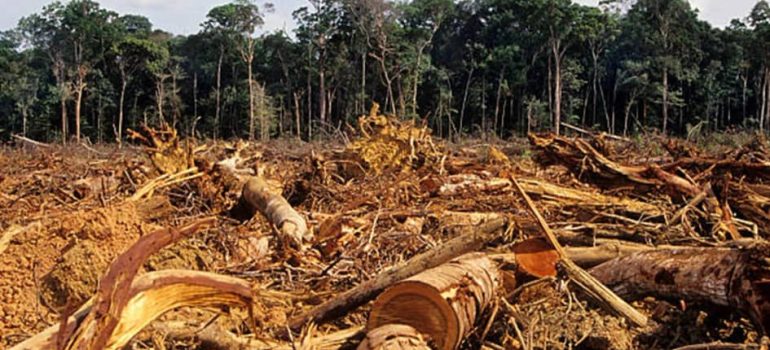
The scourge is taking on worrying proportions. Between 2020 and 2025, Cameroon will have lost around 782,000 hectares of forest. As a result, the economy is weakening. Deforestation has a real impact on people's health, and biodiversity remains just as worrying.
According to available data, Cameroon has lost almost 782,000 hectares in five years. The East region remains the hardest hit. It accounts for 54 % of the losses. Illegal logging, extensive agriculture and mining are aggravating the situation.
Worrying economic and social consequences
First and foremost, deforestation weakens agricultural production. The disappearance of forest cover exposes soils to leaching. As a result, soil fertility gradually declines. In the long term, agricultural yields fall.
Secondly, local populations lose essential sources of income. Many communities make their living from forest resources. In particular, they exploit fruit, bark and medicinal plants. Their increasing scarcity is exacerbating poverty in rural areas.
Deforestation also affects indigenous peoples, notably the Pygmies. Their way of life depends directly on the forest. The destruction of their habitat reduces their food resources. It also threatens their cultural identity.
A critical environmental impact and expected responses
On the environmental front, the effects remain worrying. Floods and droughts are becoming more frequent. They cause major material damage. They also increase public health costs.
In addition, air and water quality are deteriorating. This has a direct impact on people's health. Deforestation is also leading to the disappearance of several animal species.
However, forestry and mining activities support the national economy. Their unsustainable exploitation severely limits long-term benefits. For example, gold panning destroys agricultural land. It also accelerates ecosystem degradation.
Faced with this situation, forest preservation is becoming a priority. Every citizen must take concrete action. Planting trees remains an accessible and effective solution. It contributes to sustainable development.
Finally, public authorities must reinforce existing measures. They must guarantee sustainable management of forest resources. This will ensure the long-term future of this natural heritage.
Anita MENOUNGA

 Français
  English