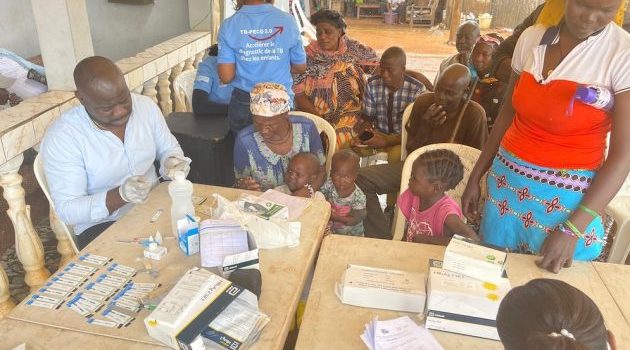
36,466 new cases of tuberculosis were recorded in Cameroon in 2026. An upward curve compared to 2025, when 26,924 cases were recorded, according to data from the Ministry of Public Health. These are worrying figures, published in the run-up to World Tuberculosis Day.
As we celebrate the 33rd World Tuberculosis Day on March 24, 2026, one thing is clear: the rate of infection is rising sharply in Cameroon. With 36,466 new cases recorded, compared with 26,924 in 2025, for a total of 63,390 cases. The situation is a real wake-up call, both for the population and for the public authorities.
The situation therefore raises many questions. Are preventive measures being relaxed? Is there a lack of awareness? Is the healthcare system showing its limits in terms of care?
All these questions reflect growing concern about the spread of this disease.
A worrying rise despite a message of hope
This year's theme is: «Yes, we can end tuberculosis». The message is one of hope. It highlights the progress being made worldwide.
However, the reality on the ground contrasts with this optimism. Indeed, the disease continues to progress at a worrying rate in Cameroon. This contradiction underlines the persistent challenges in the fight against tuberculosis.
Transmission, risk factors and preventive measures
The World Health Organization instituted this day in 1982. It commemorates the discovery of the causative bacillus by Robert Koch in 1882. The aim of this initiative is to raise public awareness and strengthen the mobilization of governments.
Tuberculosis is mainly transmitted by air. An infected person can infect others by coughing, sneezing or talking.
In addition, several factors favor its spread. Promiscuity, malnutrition and a weakened immune system all increase the risk. Precarious living conditions also aggravate the situation.
In the face of this threat, the authorities are recommending concrete measures. Early detection remains essential to limit transmission. Strict adherence to treatment will prevent complications and relapses.
In addition, BCG vaccination for infants remains a key measure. Improved hygiene and living conditions also play a decisive role. Last but not least, raising public awareness is essential to curb the spread of the disease.
All in all, this 33rd edition is a wake-up call for the Cameroonian government. The authorities must intensify their efforts to contain the disease. Tuberculosis remains a major public health problem, requiring an urgent, coordinated response.
Anita MENOUNGA

 Français
  English